
How to Help Your Child Practice Piano at Home
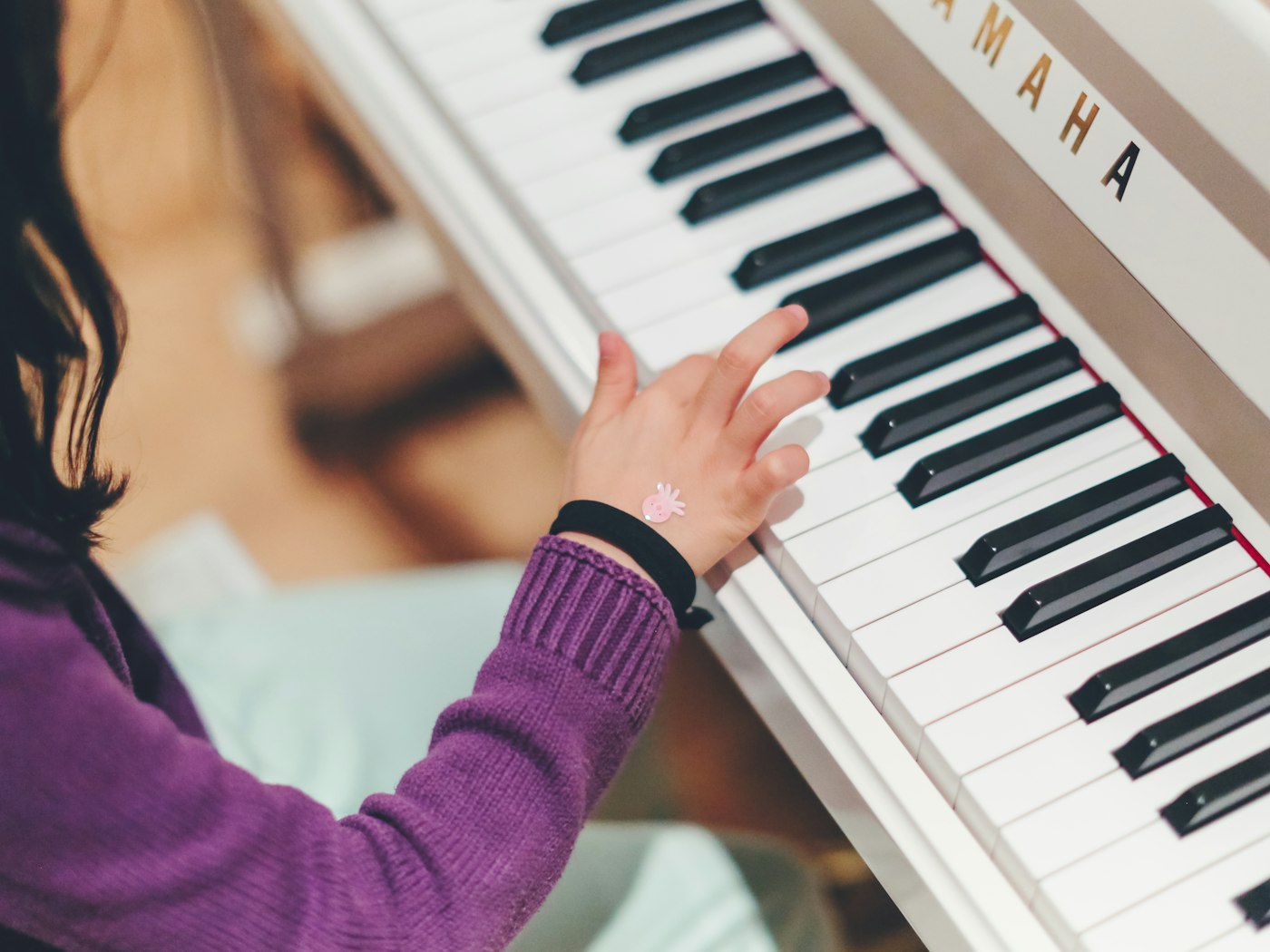
Lessons teach children what to do. Practice at home is where it becomes theirs. For many families, though, practice is also where the struggles begin. Here are our best tips to make it calmer and more effective, even if you have never played a note yourself.
1. Keep It Short and Regular
Ten focused minutes a day are worth far more than one long session before the lesson. As a rough guide, many teachers suggest 10 to 15 minutes for children aged 4 to 6, 20 to 30 minutes for ages 7 to 9 and around 30 minutes or more for older children. Your child's teacher will tell you what fits their level.
2. Same Time, Same Place
Attach practice to an existing habit: right after their after-school snack, before dinner or after brushing teeth in the morning. When practice has its own spot in the day, it stops being a daily negotiation.
3. Give Each Session a Small Goal
"Practice your piece" is vague and overwhelming. "Play the first line three times slowly with the right hand" is clear and achievable. With younger children, working through just one or two bars in a session is a real success.
4. Sit Nearby, Especially at the Start
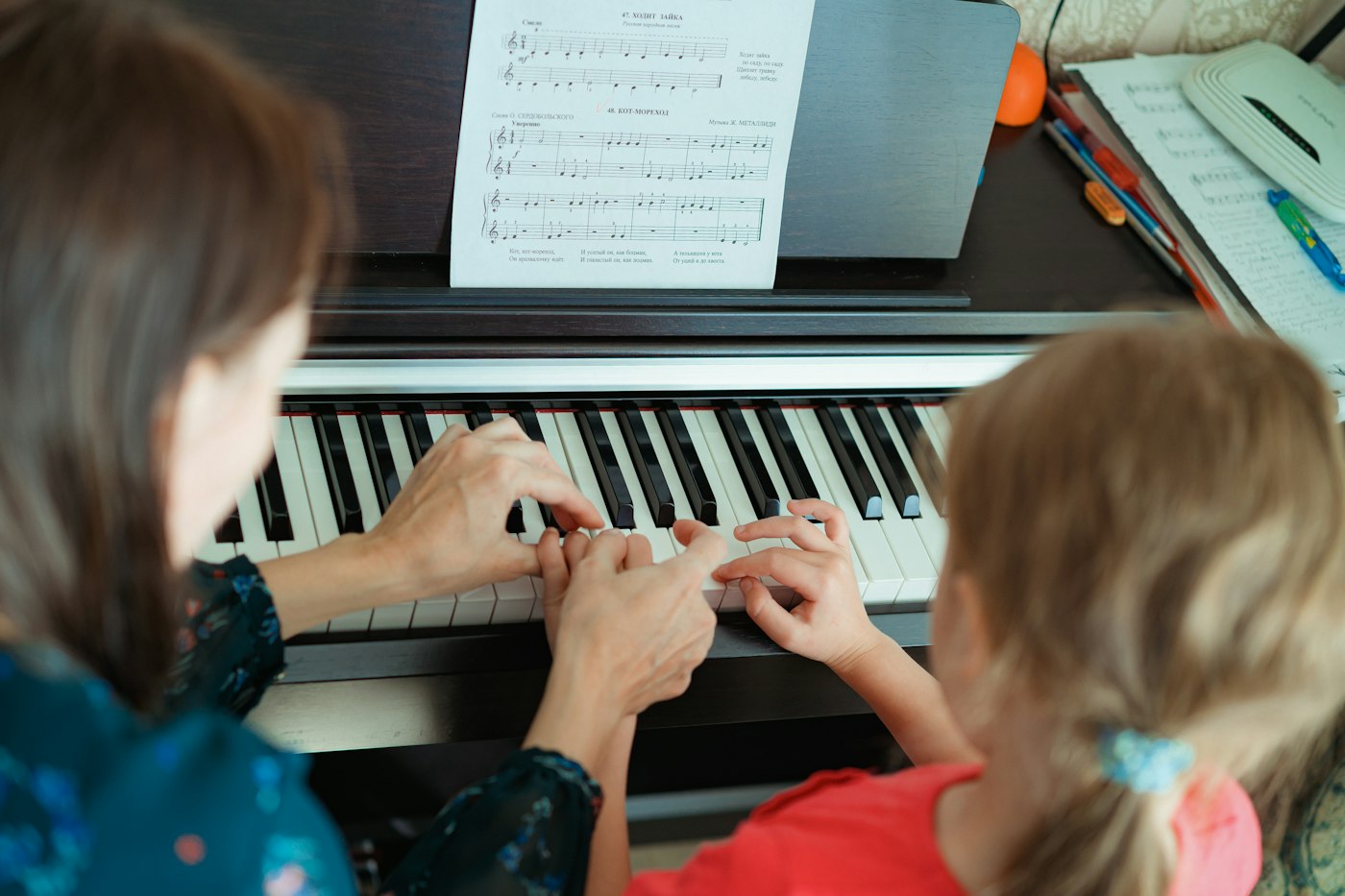
Young children practice much better with a parent close by. You don't need to correct notes: your presence, attention and encouragement are what count. As children grow, gradually hand the responsibility over to them.
5. Praise Effort, Not Talent
"You worked really hard on that tricky passage" builds persistence. "You are so talented" can make children afraid to fail. Celebrate the effort and the small victories.
6. Make It a Game
Roll a die to decide how many times to repeat a passage. Move a small object across the piano for each good repetition. Let your child "teach" you what they learned in their lesson. Games turn repetition into fun.
7. Avoid Nagging and Battles
If practice becomes a daily fight, children start to associate the piano with conflict. Agree on the routine together, write it down, and let a chart or a timer do the reminding. Let your child have some say in when they practice.
8. Hold a Home Concert
Once a week, invite the family, grandparents on video call or a favorite stuffed animal to a mini concert. Children love to perform what they have learned, and it is wonderful preparation for real recitals.
9. Stay in Touch With the Teacher
Read the teacher's notes or assignment book together at the start of each session. If something isn't working, whether it is the routine, a piece or motivation, tell the teacher. Small adjustments often solve big problems.
10. Have the Right Instrument
For young children in group classes, a piano at home isn't needed at first. Once private lessons begin, an instrument at home becomes essential. A good acoustic piano or a digital piano with 88 weighted keys makes practice much more rewarding. Read our guide on how to choose your first piano.
A Word on Lessons Themselves
Practice at home is a family affair, but lessons work best as the child's own time with their teacher. We have seen how much more deeply children concentrate when they can focus fully on the teacher and the music, and how proud they are to show you what they learned afterward.
Practice Is Part of the Journey at La Maison
In our Made to Play program, every student receives an educational book written by our founder, Héloïse, to support learning at home throughout the year. Our youngest students in Soon to Sound receive a playful homework box that connects the class experience to home life.
Have questions about practice or about which program fits your child? Book a discovery visit.
Contact Us
Address: 170 East 80th Street, New York, NY 10075
Website: www.lamaisonschoolofmusic.com
Email: info@lamaisonschoolofmusic.com
Instagram: @lamaisonschoolofmusic